Water is fundamental to health — yet, in many parts of the world, healthcare facilities still struggle to provide even the basics. According to the most recent UNICEF/WHO WASH report, 78% of global health care facilities had basic water services in 2022, meaning 1.7 billion people still lack reliable access to clean water at places of care.
Hospitals and clinics are among the most water-intensive facilities on the planet. A sustainability report highlights that hospitals can use 200–500 liters of water per bed per day for essential tasks like hand hygiene, surface disinfection, sterilization, laundry, and patient care — significantly more than typical buildings due to strict hygiene demands.
With rising cost pressures and increasing environmental targets, water is no longer just a utility. It’s a responsibility.
A Better Way to Clean
Enter the New Swep System. For facilities focused on long-term efficiency and lifecycle cost, the New Swep System offers measurable advantages:
✓ Removes up to 99.99% of bacteria and viruses
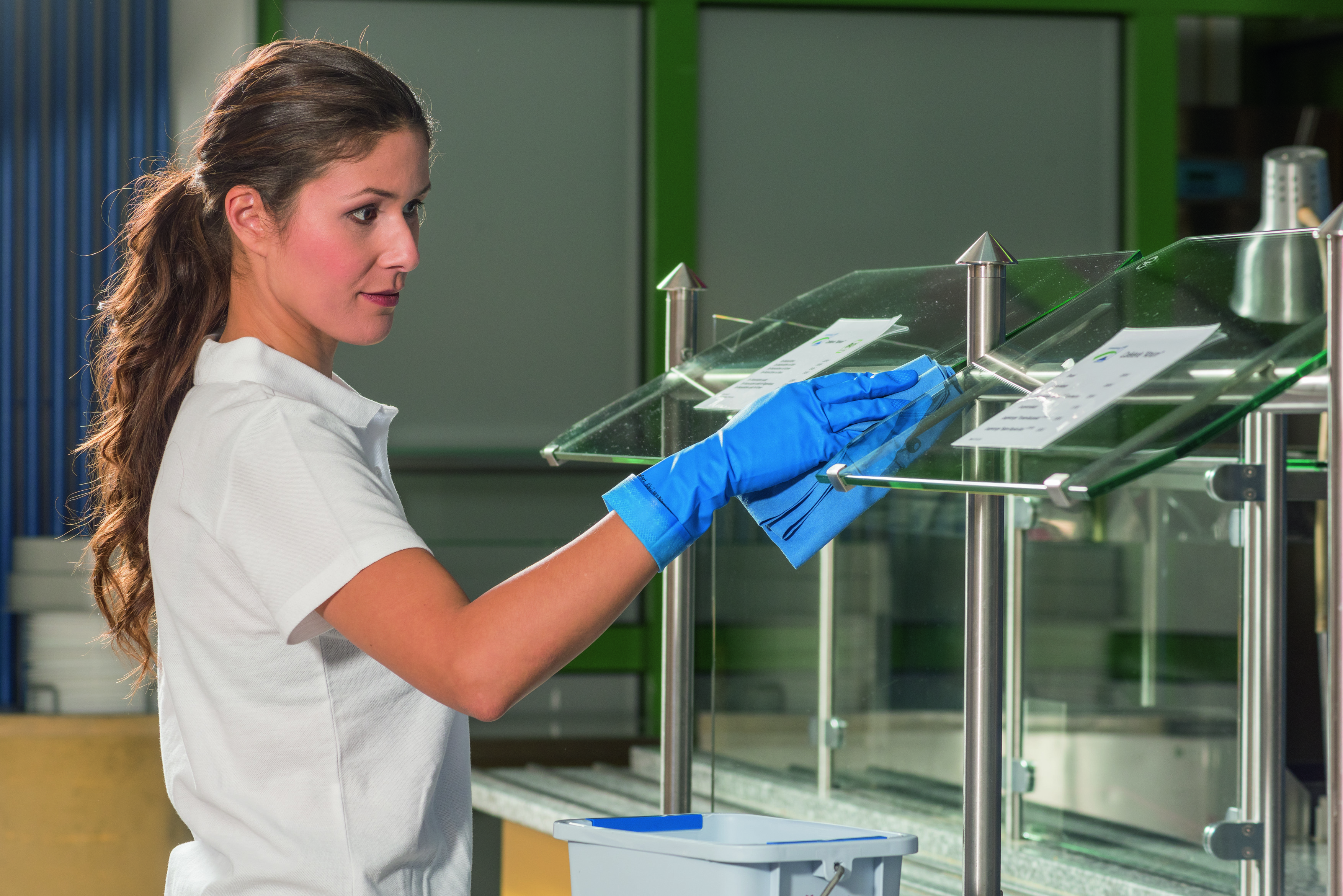
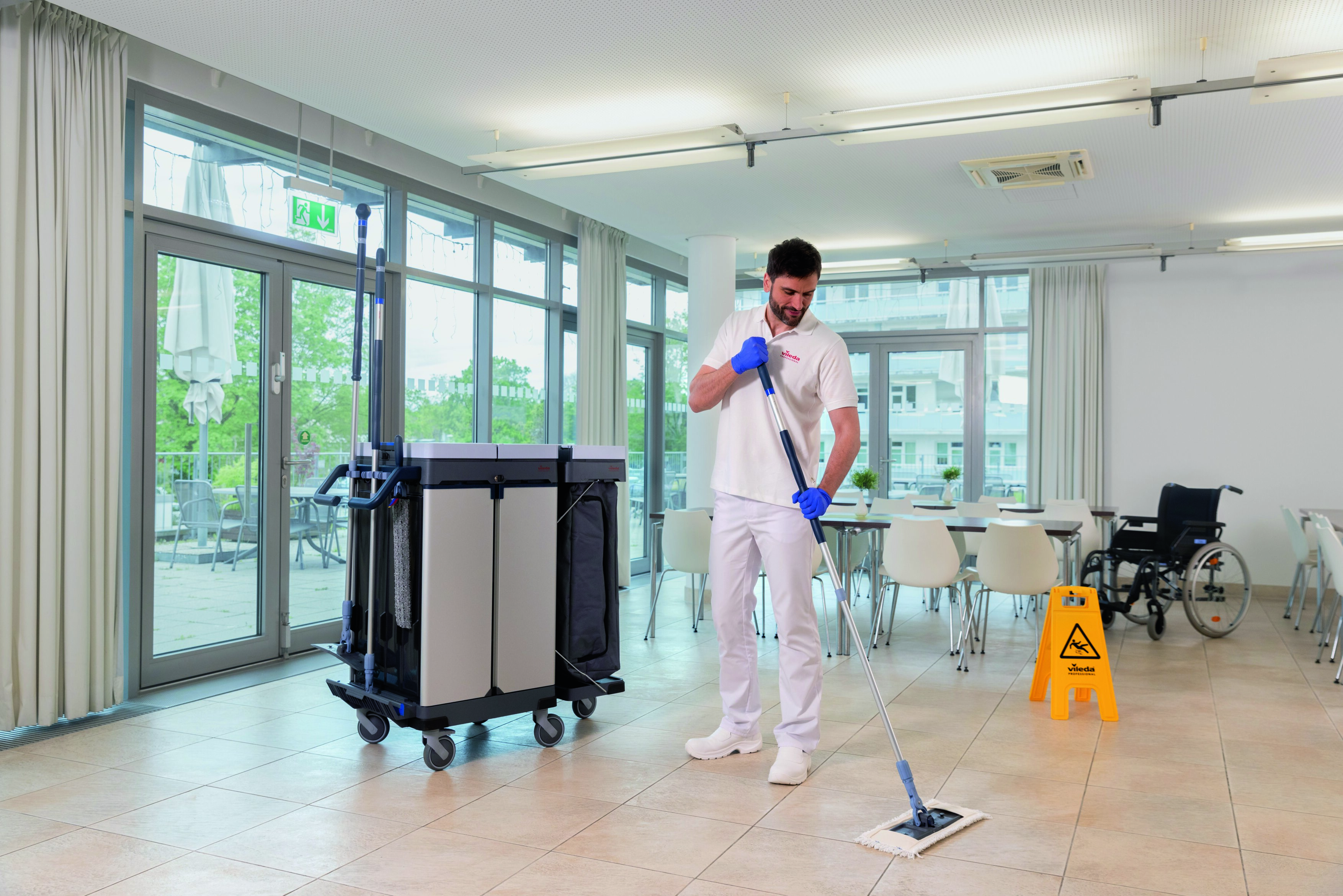
✓ Double-sided designs provide 25%+ greater floor coverage
✓ Durable up to 1,000 washes
✓ Made with up to 60% recycled materials
✓ Certified for ergonomics and sustainability
✓ Higher coverage means fewer passes per room.
✓ Fewer passes mean reduced water and chemical consumption.
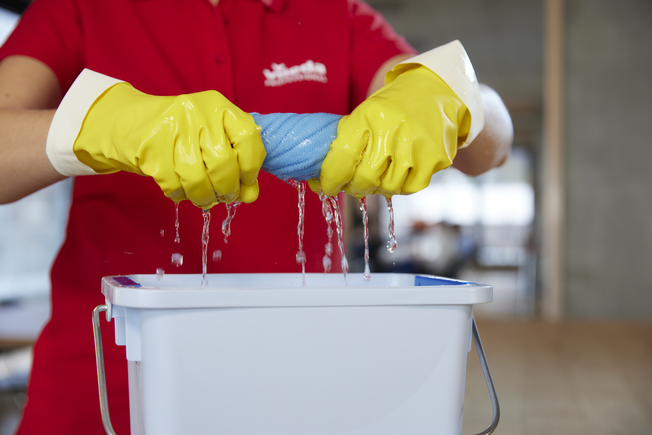
Its pre-prepared flat mopping system also optimizes water dosing — avoiding overuse while maintaining consistent hygiene performance.
When evaluated across the product lifecycle, durability and efficiency translate into lower total cost of ownership and reduced environmental impact.
Cleaner Inside, Safer Outside
Hospitals do not operate in isolation. Water discharged into wastewater systems can ultimately impact rivers, lakes, and groundwater — especially when contaminated with cleaning chemicals or pathogens.
By reducing water use, optimizing chemical dosing, and preventing cross-contamination, advanced microfibre systems help healthcare facilities:
- Minimize contaminated runoff
- Lower water and chemical consumption
- Reduce waste generation
- Support carbon and sustainability targets
This aligns infection prevention with environmental stewardship — rather than treating them as competing priorities.
Designed with Sustainability in Mind
The New Swep System reflect a broader shift in healthcare cleaning:
✓ Recycled materials integrated into production
✓ Designed-for-circularity principles
✓ Extended durability to reduce replacement frequency
✓ Performance engineered to minimize resource use during cleaning
Sustainability in healthcare is no longer optional. But neither is hygiene. The future belongs to systems that deliver both.



 Article
 Linkedin
 Facebook