

 Article
Choosing a cleaning setup should be straightforward. In reality, it rarely is.
Most facility managers start with a simple requirement—replace a mop, upgrade a trolley, improve hygiene standards. Very quickly, that turns into a comparison of systems, materials, and methods that are difficult to evaluate side by side. Each option makes similar promises. Clear differentiation is hard to find.
That lack of clarity has consequences. Decisions made at product level often shape cleaning performance, staff efficiency, and long-term cost far more than expected.
Why This Topic Deserves Attention
Cleaning has become more visible—and more scrutinised.
In healthcare, hospitality, and commercial buildings, expectations are higher than they were a few years ago. At the same time, teams are working under tighter constraints: fewer staff, less time, and ongoing pressure to control costs.
In this environment, small inefficiencies compound quickly. Processes that rely on workarounds or inconsistent practices tend to show up in:
- Uneven cleaning results
- Longer task times
- Higher training effort
- Unnecessary product consumption
Many of these issues can be traced back to one thing: how the cleaning setup has been put together.

What a Cleaning System Actually Is
A cleaning system is the structure behind the work. It defines how tools, processes, and protocols fit together during day-to-day cleaning.
That includes:
- The tools in use
- The way those tools are prepared and applied
- How tasks are organised
- How hygiene standards are maintained across different areas
Seen in isolation, each element may work well enough. The difference becomes clear when they are aligned and designed to support each other.
Three Factors That Shape the Outcome
In practice, most cleaning systems are defined by three decisions.
1. Cleaning Method
This is how cleaning is carried out on the ground. For example:
- Pre-prepared systems versus traditional bucket methods
- Spray cleaning versus rinse-based approaches
- Manual processes versus machine support
These choices influence how long tasks take, how consistent results are, and how much water or chemical is used.
2. Room Policy
This determines how materials move through the building. Some environments require strict separation—fresh materials for each room or zone. Others prioritise reuse across multiple areas.
This has a direct impact on hygiene control, especially where cross-contamination is a concern.
3. Product Type
This is the physical design of the tools themselves.
Reusable, launderable materials behave very differently from disposable ones in terms of durability, cost over time, and environmental impact.
Where Many Setups Fall Short
In many facilities, these three elements are not considered together. Products are added or replaced over time, often in response to immediate needs rather than a broader plan.
The result is a setup that works, but not particularly well.
Teams adapt. They develop their own routines. Training becomes more complex than it needs to be. Performance depends more on individual experience than on a consistent system.
r-MicroLife Plus
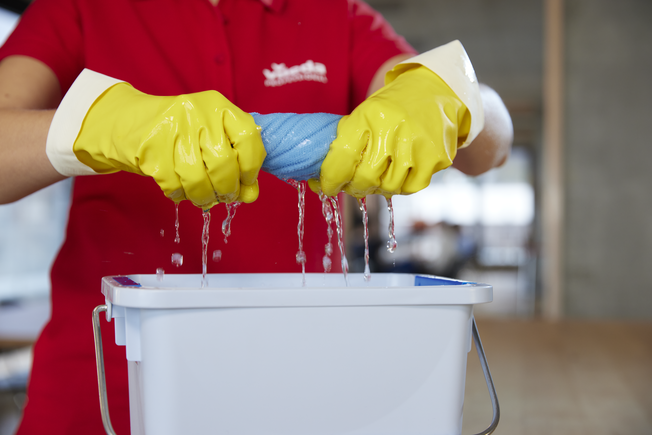
With 89% recycled polyester fibers in the cloth produced from post-consumer plastic waste, r-MicroLife Plus is a cleaning cloth with high-quality knitted microfibers from Oates Professional's r-MicroLife range – for all those who are looking for a sustainable microfiber cloth with the highest performance.
Featured product
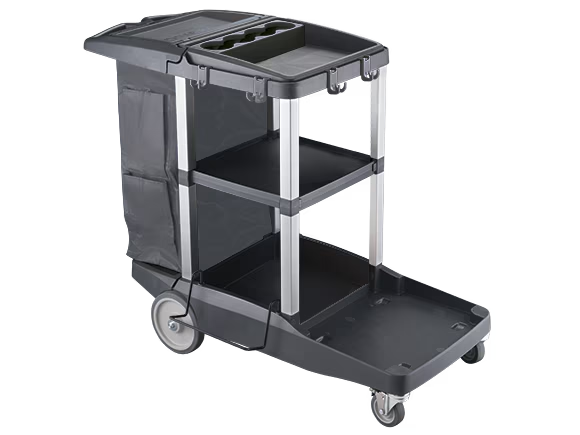
Platinum Janitors Cart Mark II
Originally designed from the ground up after extensive consultation with end users and highly esteemed design professionals the Oates Platinum Janitors Cart MKII is compatible with the all-new optional extras: security hood kit and security door kit.
 Linkedin
 Facebook
Read more
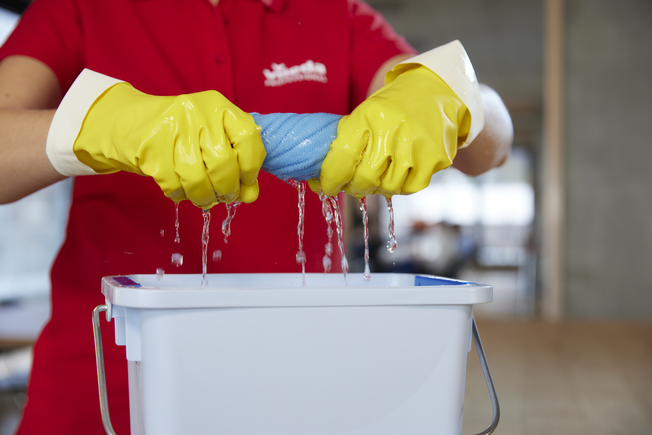

Pre-Prepared, Spray or Rinse? How to Pick the Right Method
Pre-prepared, spray or rinse? Learn how to choose the right cleaning method to improve efficiency and cleaning ...
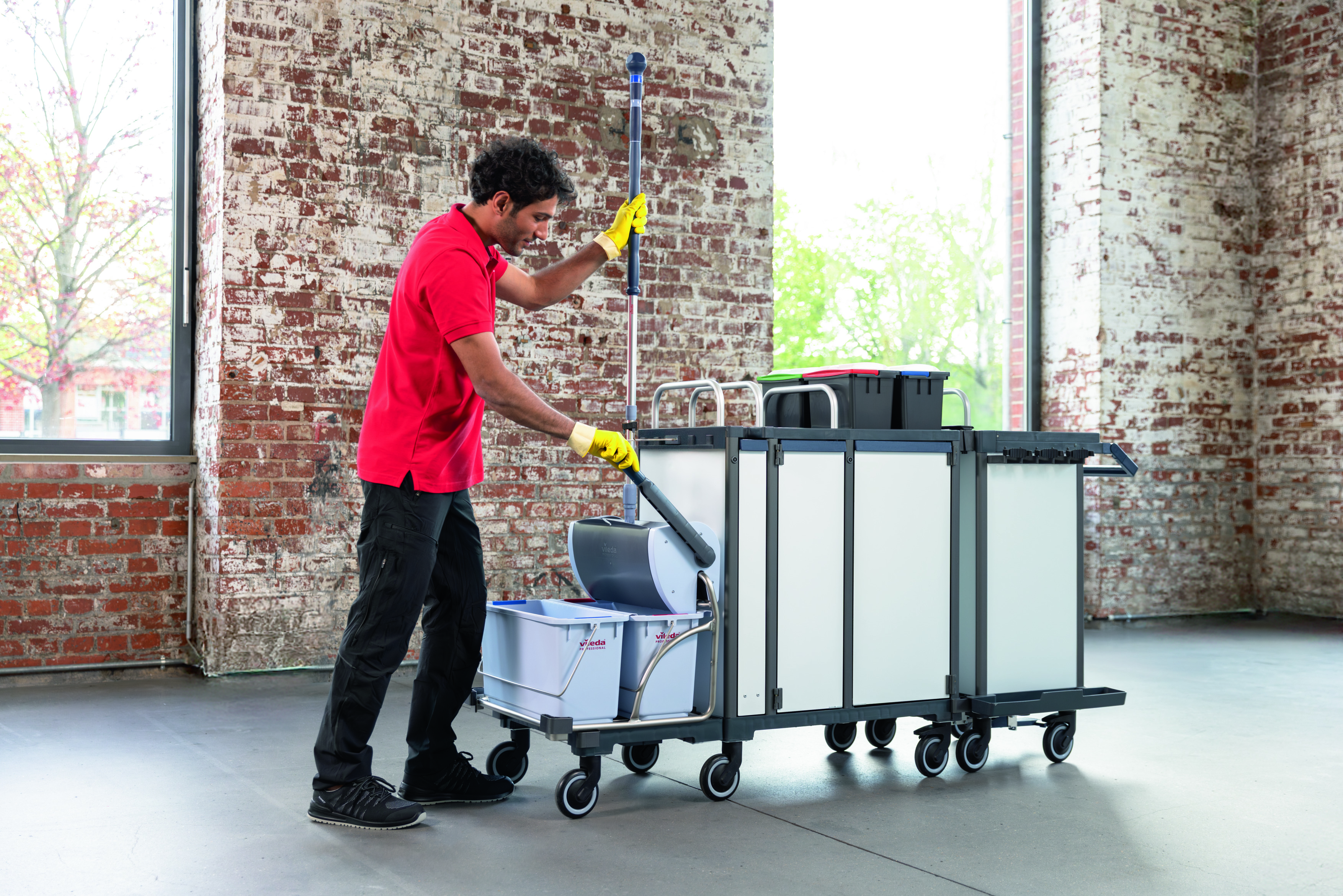
When Your Cleaning Trolley Malfunctions During Service
A cleaning trolley breakdown doesn’t have to stop your service. Learn how to manage the situation quickly and maintain ...
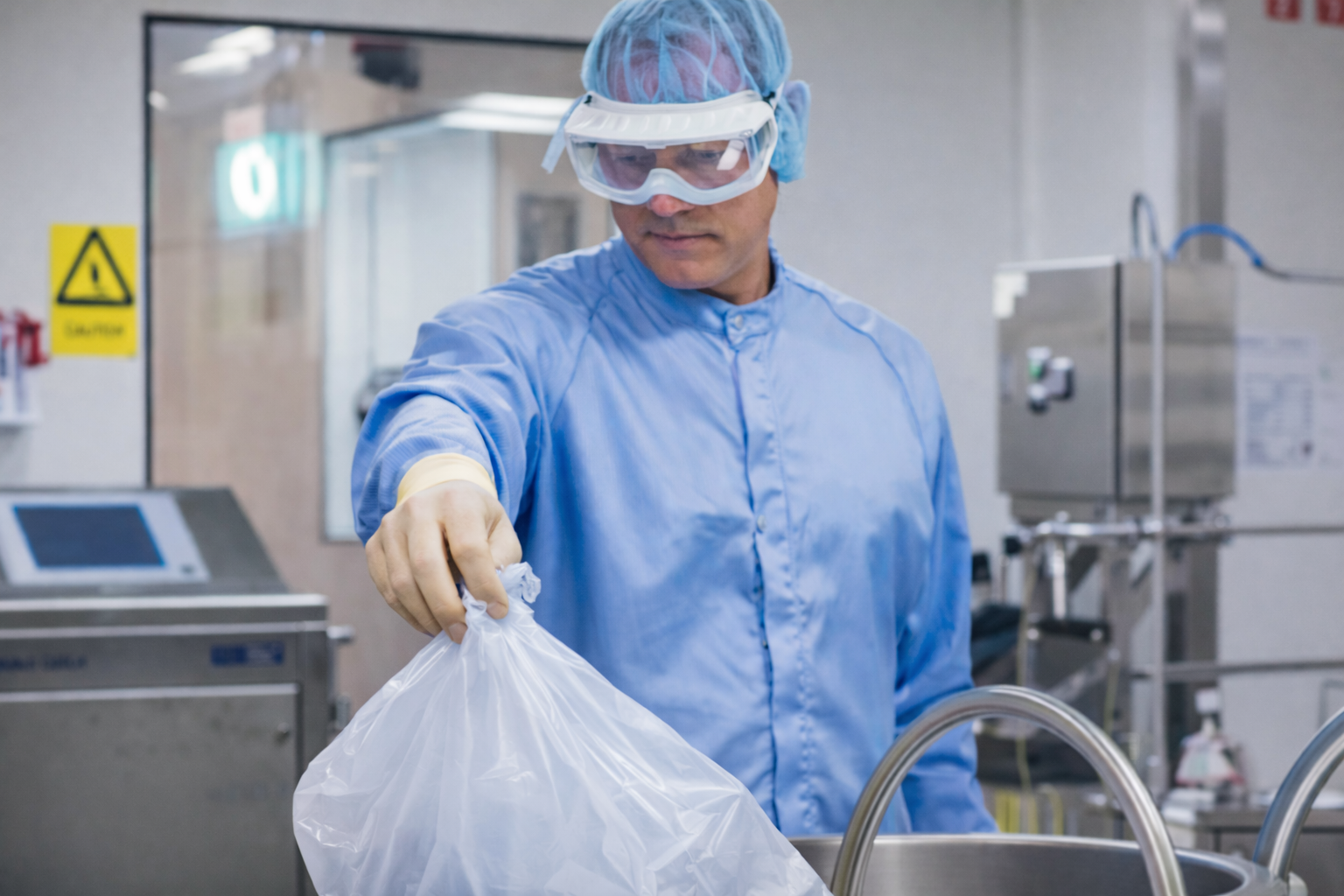
Is your “clean” just a myth?
Is your “clean” really clean? Discover the hidden gaps in hygiene and how to achieve truly effective professional ...
Stay ahead in Professional Cleaning
Get practical insights, industry trends, and proven solutions delivered to your inbox.