



.png)
Aged care teams handle a constant flow of tasks, which makes clear routines central to keeping duties organised. Infection control in aged care covers the day-to-day practices that prevent germs from moving through shared spaces and between residents. Older adults have lower immunity, and close living can turn a single lapse into a wider issue.
Here, we explore why these risks develop and how infection control in aged care keeps transmission under control.
Why is Infection Control Important in Aged Care?
Older adults pick up infections faster than most people realise. Their immune responses are weaker, which means even minor pathogens can spread faster in close living arrangements.
Staff take care of and move between residents all day. That includes shared rooms, lounges and dining areas, which create more touchpoints that raise transmission risks. The fallout can reach far past a single unwell resident, which is why infection control in aged care needs consistent attention.
- Respiratory infections like the flu and respiratory syncytial virus (RSV) spread fast in shared spaces, creating wider clinical pressures.
- Gastrointestinal bugs move between surfaces and hands, which can cause dehydration and a higher chance of hospital transfer.
- Skin infections can spread in shared furniture or equipment and increase the risk of secondary infections.
Moreover, poor infection control in aged care can lead to higher clinical workloads and staff shortages. It can also interrupt daily routines for residents, delay regular care tasks, and put extra demand on staff.
Core Principles Behind Effective IPC

Infection Prevention and Control (IPC) covers the measures that stop germs from spreading between residents, staff and visitors. These principles guide facilities to act early and limit infections before they spread. Effective infection control in aged care starts with understanding the core principles of IPC, and how they can be applied:
Core Daily Precautions
These are the baseline actions used with every resident, including consistent hand hygiene, protective gear and safe handling practices. They lower background risks in close living, and give staff a reliable starting point for infection prevention.
Enhanced Measures During Illness
When symptoms appear or a confirmed infection is present, tighter measures are introduced to limit the movement of germs. This creates a more protective barrier and strengthens infection control in aged care during periods of elevated risk. A common example is using gowns and masks when caring for a resident who shows early respiratory symptoms.
Continuous Risk Awareness
Regular checks allow staff to pick up small changes that signal an infection risk, such as a resident eating less or showing early respiratory signs. This keeps staff alert and helps link patterns, like two residents in the same wing developing similar symptoms. Spotting these signs early gives the facility time to act.
Clear Direction and Shared Responsibility
Policies outline who handles specific IPC tasks, which reduces confusion when the workload increases. This principle ensures each role has defined responsibilities, like who manages PPE distribution or who updates isolation protocols. Accountability keeps those actions consistent and prevents gaps. Clear direction also supports smoother handovers between shifts.
Key Infection Control Practices in Aged Care
Hand Hygiene & PPE
- Hand hygiene acts as the first line of defence when it comes to infection control in aged care. Staff need clean hands before direct care and after contact with bodily fluids, linen or waste.
- Protective gear needs to match the task:
- Gloves should come off before leaving a resident’s space.
- Masks need replacing once damp.
- Gowns should be removed right after a task.
- Common PPE misuse has to do with reusing items meant for one task, which defeats the barrier PPE is supposed to create.
Environmental Cleaning & Disinfection
- Regular cleaning helps reduce germs on high-touch surfaces, such as railings, chair arms, and lift buttons.
- Surfaces in communal dining areas need to be wiped down with microfibre cleaning cloths before and after meals.
- Lounge seating should be cleaned at set intervals, especially during busy visiting periods.
- In rooms, linen needs careful handling to maintain hygiene, and waste bags should be sealed and moved promptly.
- Using floor cleaning solutions during the evening lowers contamination in high-traffic corridors.
Monitoring, Screening & Early Detection
- Staff notice changes before paperwork does. A resident coughing more than usual or avoiding meals can signal early spread.
- Reporting symptoms quickly gives teams time to isolate a resident before germs move further.
- Simple actions like checking temperatures during morning routines help identify patterns to improve infection control in aged care homes.
Staff, Visitor & Vaccination Practices
- Staff who feel unwell need to take time off to avoid exposing residents and other staff.
- Visitors should follow clear guidance during higher-risk periods, such as wearing masks in shared rooms or postponing visits if they have respiratory symptoms.
- Vaccination protects residents by lowering the chance of outbreaks. Using facility-grade commercial cleaning supplies alongside these measures ensures compliance.

How Leadership and Training Support IPC in Aged Care
Solid IPC starts with strong leadership at the top. It works best when management makes roles clear and keeps routines grounded in real care work. Infection control in aged care relies on established practices, and IPC provides the framework for those practices to remain consistent.
This can be achieved by setting clear expectations, and creating routines that support infection control in aged care:
- Leadership that gives each person clear responsibilities, allowing them to focus on delivering care.
- Training and refresher sessions that build confidence and keep techniques consistent.
- Routine audits that show what needs improvement and help the facility adjust before issues grow.
- Policies written in plain language, making them easy for staff to understand and apply IPC practices.
Holding the Line Against Infection
Busy facilities know that small actions can create safer days, and that mindset keeps prevention strong. Effective infection control in aged care protects residents and supports staff. It keeps operations stable, especially during busy periods when illness is circulating in the community. By performing regular reviews, your teams stay compliant and united in protecting residents every single day.

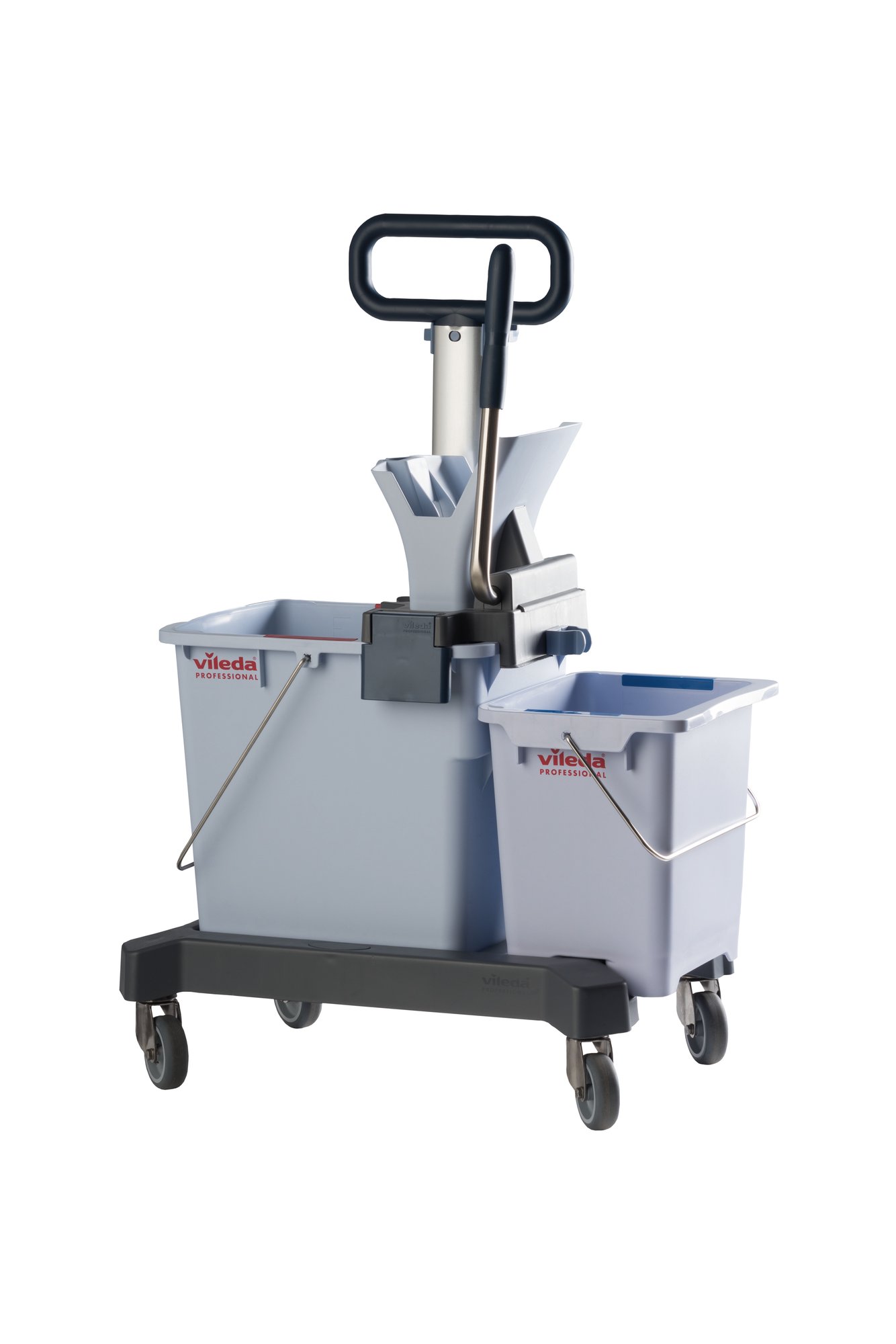
UltraSpeed Pro System
A professional flat mopping system designed to improve cleaning efficiency, reduce cross-contamination, and support ergonomic cleaning in high-traffic environments. Ideal for aged care facilities, the UltraSpeed Pro System helps teams clean faster with controlled moisture application, durable microfibre mops, and easy-to-use wringing technology.
Featured product
%20Kopie.png?width=580&height=435&name=r-MicronQuick_4_Colors_550px_435px%20(1)%20Kopie.png)
r-MicronQuick
A high-performance microfibre cleaning cloth made with recycled materials, designed for superior hygiene in healthcare and aged care environments. r-MicronQuick effectively removes dirt, bacteria, and viruses while delivering streak-free cleaning with reduced chemical usage.
 Linkedin
 Facebook
Read more

When Your Cleaning Trolley Malfunctions During Service
A cleaning trolley breakdown doesn’t have to stop your service. Learn how to manage the situation quickly and maintain ...

 Blog
Blog
What Are The Benefits of Commercial Cleaning Services?
Discover how commercial cleaning improves hygiene, boosts workplace presentation and supports smoother operations for ...
Discover How Commercial Cleaning Saves Your Business Money
Explore how professional cleaning services cut maintenance costs, reduce sick days and strengthen long-term savings. ...
Stay ahead in Professional Cleaning
Get practical insights, industry trends, and proven solutions delivered to your inbox.